














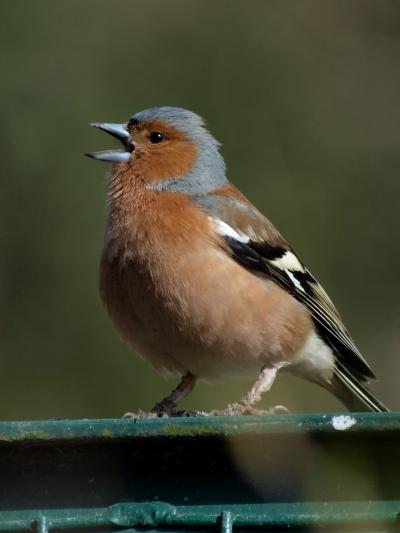







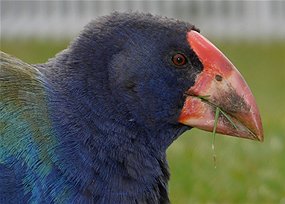



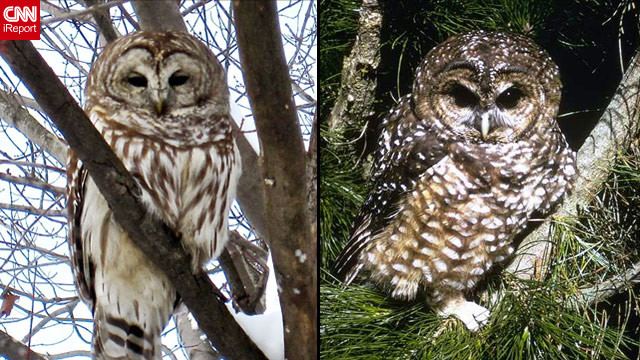


 Només entre el Regne Unit i els Estats Units d’Amèrica es subministren unes 500.000 tones de menjar pels ocells durant el hivern. Només el menjar que es dóna en els jardins del Regne Unit permetria mantenir una població de 30 milions de Mallerengues carboneres (Parus major) que només s’alimentessin d’aquest recurs.
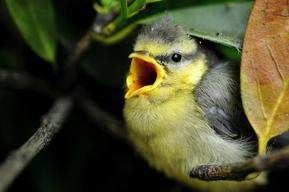
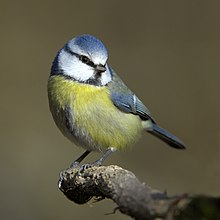
Gillian N. Robb i col•laboradors han fet un experiment per explorar les conseqüències de donar de menjar al hivern, aportant menjar a cinc boscos i deixant-n’hi cinc com a controls del tractament. Van parar de donar de menjar sis setmanes abans del inici de la cria. Tot i així van veure que donar de menjar avançava la cria una mitjana de 2.5 dies i augmentava en un poll l’èxit de cria de les Mallerengues blaves (Cyanistes caeruleus).
> Robb, G.N. et al. (2008) Winter feeding of birds increases productivity in the subsequent breeding season. Biol Lett 4: 220, 223.
Foto de "tassiesim" (Flickr; Creative Commons)
----------------------------- ESPAÑOL --------------------------------------
Los comederos del jardín
 Sólo entre el Reino Unido y los Estados Unidos de América se suministran unas 500.000 toneladas de comida para los pájaros durante el invierno. Sólo la comida que se da en los jardines del Reino Unido permitiría mantener una población de 30 millones de carboneros comunes (Parus major) que se alimentaran únicamente de este recurso.
Gillian N. Robb y colaboradores han hecho un experimento para explorar las consecuencias de dar de comer en invierno, aportando comida en cinco bosques, dejando cinco bosques como controles del tratamiento. Pararon de dar de comer seis semanas antes del inicio de la cría. Vieron que dar de comer avanzaba la cría una media de 2.5 días y aumentaba en un polluelo el éxito de cría de los herrerillos comunes (Cyanistes caeruleus).
> Robb, G.N. et al. (2008) Winter feeding of birds increases productivity in the subsequent breeding season. Biol Lett 4: 220, 223.
Foto de "tassiesim" (Flickr; Creative Commons)



.jpg)

0 comentarios:
Post a Comment