







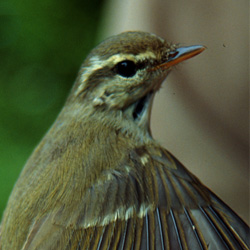





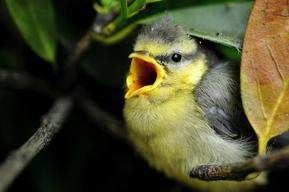













 Els polls de falciot negre (Apus apus) poden passar-se uns quants dies sense rebre menjar dels seus pares, per exemple, per culpa del mal temps. Per fer front a aquest dejunis tenen l’estratègia d’acumular greix “extra”, però just abans de volar han de perdre’l per assolir una relació adequada entre pes i superfície alar.
Wright i col•laboradors van afegir pes o van disminuir la superfície alar a uns quants polls, i van deixar-ne d’altres sense tocar. Tots els polls van perdre pes, però els polls experimentals van perdre més pes abans d’abandonar el niu que el polls control. Per tant els polls perceben la relació pes corporal/superfície alar i actuen en conseqüència. Els investigadors conclouen que l’aleteig dintre del niu serviria als polls per calibrar la relació entre pes i superfície alar, demanant menys menjar als pares quant més pes volen perdre (Déu ni do!).
> Wright, J., Markman, S. i Denney, S.M. (2006) Facultative adjustment of pre-fledging mass loss by nestling swifts preparing for flight. Proceedings of the Royal Society of London B. DOI: 10.1098/rspb.2006.3533
Photo by Alfonso Manuel Moreno Leal (Flickr; Creative Commons)
----------------------------ESPAÑOL -----------------------------------
Vencejos a dieta
 Las crías de vencejo negro (Apus apus) pueden pasarse unos cuantos días sin recibir comida de sus padres, por ejemplo, por culpa del mal tiempo. Para hacer frente a este ayuno practican la estrategia de acumular grasa "extra", pero justo antes de volar tienen que perderla para alcanzar una relación adecuada entre peso y superficie alar.
Wright y colaboradores añadieron peso o disminuyeron la superficie alar a unos cuantos pollitos, y dejaron otros sin tocar. Todos los pollitos perdieron peso, pero los experimentales perdieron más peso antes de abandonar el nido que los pollitos de control. Por lo tanto, las crías perciben la relación peso corporal / superficie alar y actúan en consecuencia. Los investigadores concluyen que el aleteo dentro del nido serviría a los pollos para calibrar la relación entre peso y superficie alar, pidiendo menos comida a los padres cuánto más peso quieren perder.
> Wright, J., Markman, S. i Denney, S.M. (2006) Facultative adjustment of pre-fledging mass loss by nestling swifts preparing for flight. Proceedings of the Royal Society of London B. DOI: 10.1098/rspb.2006.3533
Photo by Alfonso Manuel Moreno Leal (Flickr; Creative Commons)



.jpg)


0 comentarios:
Post a Comment